
Histotripsy completely upends this paradigm through a brilliant application of pure mechanical physics. Co-invented by Dr. Zhen Xu and her pioneering team at the University of Michigan, histotripsy is an FDA-approved, entirely non-invasive medical technology that uses focused, high-intensity sound waves to destroy solid tumors without generating a single millidegree of thermal energy. Read this piece at leisure
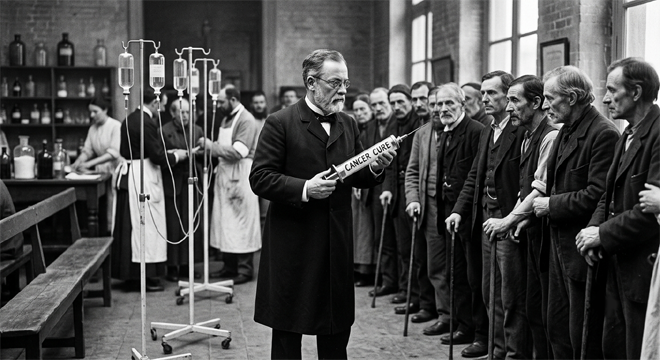
On the evening of July 6, 1885, a sixty-two-year-old chemist stood in a dimly lit Parisian laboratory, watching a substance derived from the dried spinal cords of rabid rabbits being injected into the body of a terrified nine-year-old boy named Joseph Meister. The man watching was Louis Pasteur. He was already one of the most celebrated scientists in human history, the pioneer who had systematically dismantled centuries of medical mysticism by proving that invisible microorganisms, rather than “bad air” or fate, were the true catalysts of infectious disease. Yet, at that precise moment, Pasteur was operating under a cloud of immense personal and legal peril. He was a chemist, not a licensed physician. If the boy died as a consequence of this experimental inoculation, the state could prosecute him for manslaughter, and his life’s work would be instantly invalidated.
Joseph Meister had been savagely mauled by a rabid dog two day prior, sustaining fourteen deep puncture wounds. In the nineteenth century, a diagnosis of rabies was an absolute, horrific death sentence. Left untreated, the virus would inevitably creep along the peripheral nerves, breach the central nervous system, and induce a state of agonizing hydrophobia, convulsions, and terminal paralysis. Two prominent physicians of the era, Dr. Vulpian and Dr. Grancher, examined the boy and reached a bleak consensus: without intervention, Joseph had no chance of survival. They agreed to shield Pasteur from legal ruin by administering the injections themselves. Over the course of ten days, Meister received thirteen increasingly potent doses of the experimental vaccine. Each successive inoculation was prepared from rabbit tissue that had been dried for progressively fewer days, meaning each dose was fractionally more virulent than the last. Pasteur’s strategy was an elegant exploitation of biology: he used the virus’s sluggish transit time from the wound site to the brain to gradually educate the boy’s immune system, training it to mount a devastating counterattack before the pathogen could seize the central nervous system.
The final inoculations exposed Joseph Meister to fully virulent rabies strains that would have rapidly killed an unprotected child. The injections ceased, and then came the agonizing period of waiting. Days melted into weeks inside the Paris laboratory, but the expected convulsions never materialized. The paralysis never set in. Joseph Meister stayed perfectly well, becoming the first human being in history to survive a confirmed exposure to rabies. This monumental triumph transformed medicine overnight. Desperate families from across Europe, Germany, and the snowy steppes of Russia descended upon Paris, carrying children bitten by rabid wolves and dogs. The treatment worked repeatedly. By March 1886, the vaccine was formally presented to the French Academy of Sciences, and by 1888, the world-renowned Pasteur Institute was established to pioneer modern immunology. Pasteur had proven that the invisible world could not only be cataloged, but completely mastered to preserve human life.
For over a century, this historic narrative has served as the ultimate blueprint for medical breakthroughs. It prompts an inevitable, burning question that echoes through modern oncology wards and research facilities alike: If humanity could decipher and conquer a pathogen as terrifyingly lethal as rabies using a single, elegant immunological strategy nearly a century and a half ago, why can’t cancer be cured the same way?
The traditional, consensus answer provided by oncologists is that cancer and rabies are fundamentally different biological anomalies. Rabies is caused by a singular, external enemy, a virus with a static genome and highly distinctive surface proteins that serve as bright red flags for host white blood cells. Cancer, by contrast, is not an foreign invader. It is an internal rebellion. Cancer occurs when a patient’s own somatic cells accumulate a chaotic cascade of genetic mutations, causing them to ignore regular cellular checkpoints, evade programmed death, and proliferate unchecked. Because these malignant cells originate from the self, they wear the biochemical “cloak” of healthy tissue, rendering them invisible or tolerated by the immune system. Furthermore, “cancer” is not a singular disease; it is an umbrella term for hundreds of distinct pathologies, ranging from glioblastoma to acute myeloid leukemia, each displaying a dizzying, shifting kaleidoscope of thousands of unique mutations. It is a moving target that evolves inside the patient’s body in real time.
Because of this profound complexity, mainstream medicine has long relied on blunt, systemic interventions: chemotherapy and radiation. Yet, to a growing contingent of visionary researchers and exhausted patients, these generic, systemic treatments are increasingly viewed not as genuine cures, but as temporary, toxic postponements of death. Chemotherapy floods the entire human biology with cytotoxic agents designed to kill rapidly dividing cells, indiscriminately devastating the patient’s bone marrow, gastrointestinal lining, and hair follicles while frequently leaving behind a resilient, highly mutated population of cancer stem cells that drive eventual recurrence.
The true path to a definitive cure demands that we stop treating cancer as an unstructured collection of hundreds of separate diseases requiring distinct toxic cocktails. Instead, we must shift our focus entirely toward the universal biological commonalities shared by all malignant cells, regardless of their tissue of origin. Just as Pasteur looked past the surface symptoms of rabies to target the underlying viral replication, modern science must look beneath the chaotic genetic variations of tumors to isolate their foundational Achilles’ heels. Emerging at the forefront of this conceptual revolution are two profound therapeutic pillars: histotripsy, a revolutionary non-invasive acoustic technology that mechanically obliterates tumors while acting as an in-situ vaccine, and autophagy modulation, the deliberate exploitation of the universal cellular recycling mechanism that cancer cells depend upon to survive. By synthesizing these breakthroughs, humanity may finally be on the precipice of its true “Pasteur moment” for cancer.
How histotripsy strips the malignant cloak
To appreciate why conventional oncology is failing to achieve a permanent cure, one must look at how traditional therapies interact with the tumor microenvironment. When a patient undergoes radiation or thermal ablation, the extreme heat or ionizing energy cooks and denatures the tumor tissue. In doing so, it destroys the delicate, highly specific surface proteins, known as tumor-associated antigens, that reside on and within the cancer cells. This leaves behind a charred, inert mass of cellular debris. The immune system looks at this thermal scar and perceives nothing recognizable; the biological “blueprint” of the enemy has been incinerated.
Histotripsy completely upends this paradigm through a brilliant application of pure mechanical physics. Co-invented by Dr. Zhen Xu and her pioneering team at the University of Michigan, histotripsy is an FDA-approved, entirely non-invasive medical technology that uses focused, high-intensity sound waves to destroy solid tumors without generating a single millidegree of thermal energy. The genesis of this technology was somewhat serendipitous; Dr. Xu was investigating ways to shorten ultrasound pulses to microseconds, partially to appease colleagues who were complaining about the persistent noise of her laboratory equipment. In doing so, she unlocked a profound physical phenomenon: acoustic cavitation.
When these microsecond-long, high-intensity sound pulses are focused precisely into a localized target deep within the body, they do not heat the tissue. Instead, they interact with the naturally occurring, microscopic gas pockets that exist within all human biological matrices. The rapid alteration of high and low pressure caused by the acoustic wave forces these microscopic gas pockets to rapidly expand and violently collapse. This cyclical action generates a localized, shimmering phenomenon known as a “bubble cloud.” As this bubble cloud expands and contracts millions of times per second, it exerts immense localized mechanical shear forces. These forces literally tear the physical walls of the cancer cells apart, reducing the solid, structural architecture of the tumor into a completely harmless, liquefied cellular debris that the human body’s lymphatic system naturally absorbs over the following weeks.
The clinical execution of this procedure is a masterclass in modern medical engineering. An interventional radiologist utilizes real-time ultrasound imaging to map out the exact three-dimensional coordinates of the tumor. A robotic transducer arm is then positioned over the patient, delivering the focused sound pulses through a specialized water bath resting on the patient’s abdomen. Because the acoustic energy is engineered to focus strictly down to a highly concentrated zone spanning a mere few millimeters, the safety profile is unprecedented. The sound waves pass harmlessly through the overlying skin, muscle, and healthy tissue, activating the destructive bubble cloud only at the precise focal point. This enables clinicians to completely obliterate a malignant growth while leaving adjacent, hyper-critical anatomical structures, such as major hepatic blood vessels or delicate bile ducts, entirely untouched and structurally intact. The entire procedure requires no incisions, leaves zero scars, introduces no systemic toxins, and exposes the human body to absolutely zero ionizing radiation. Done under general anesthesia purely to prevent micro-movements and maintain perfect alignment, the treatment takes between five and thirty minutes. Patients typically wake up completely pain-free and return home to their families the exact same afternoon.
However, the true, revolutionary power of histotripsy lies far beyond its capacity for painless mechanical removal. Its greatest triumph is what it does to the immune system. Because histotripsy liquidates the tumor mechanically rather than burning it, the internal proteins, neoantigens, and intact cellular structures of the cancer cells are preserved intact within the liquefied slurry. For the first time, the cancer cell’s sophisticated physical “cloak” is stripped away, exposing its innermost biological secrets directly to the patient’s circulating white blood cells.
This triggers a massive, systemic immunological awakening. Specialized immune cells, such as dendritic cells and macrophages, rush into the liquefied zone, engulfing the pristine tumor antigens and presenting them directly to T-cells. In effect, histotripsy transforms the patient’s own tumor site into a highly personalized, internal manufacturing facility for a cancer vaccine. Preclinical and clinical studies have validated that this localized acoustic disruption routinely triggers an “abscopal effect”, an immune response so profoundly trained that white blood cells begin circulating throughout the entire body, identifying and actively attacking distant, microscopic metastatic deposits that were never touched by the sound waves.
Autophagy: Weaponizing the cancer cell’s survival engine
While histotripsy represents the ultimate weapon for localized, non-invasive tumor destruction and systemic immune training, a true universal cure must also address the internal, metabolic machinery that allows cancer cells to thrive under stress. This brings us to the second universal commonality of all malignant lineages: their absolute, pathological dependency on a cellular process called autophagy.
Derived from the Greek words meaning “self-eating,” autophagy is a highly conserved, fundamental cellular housekeeping mechanism. Under normal physiological conditions, it serves as the cell’s internal recycling program. When a cell experiences starvation, metabolic stress, or accumulation of damaged organelles, it forms a specialized double-membrane vesicle called an autophagosome. This vesicle sequesters the damaged components and fuses with a lysosome, an acidic organelle filled with digestive enzymes. The internal contents are broken down into basic amino acids, fatty acids, and simple sugars, which are then pumped back into the cytoplasm to fuel the cell’s survival and generate energy.
[Cellular Stress / Starvation]
│
▼
[Autophagosome Formation] ──► (Sequesters damaged organelles & proteins)
│
▼
[Lysosome Fusion] ──► (Acidic enzymes break down contents)
│
▼
[Nutrient Recycling] ──► (Fuels cancer cell survival & growth)
In healthy tissue, autophagy acts as a vital quality-control mechanism that prevents the onset of disease. However, once a normal cell crosses the threshold into malignancy, it completely hijacks this recycling pathway to achieve biological immortality. Tumor cells grow at a breakneck, chaotic pace, rapidly outstripping their local blood supply. This leaves the interior of a tumor in a state of chronic hypoxia (oxygen deprivation) and severe nutrient starvation. Under these brutal conditions, a normal cell would initiate apoptosis (programmed cell death). A cancer cell, however, drastically ramps up its rate of autophagy. It survives by systematically consuming non-essential parts of itself, recycling its own internal architecture to generate the continuous stream of ATP (energy) and metabolic building blocks required to maintain its hyper-proliferation.
Furthermore, cancer cells actively employ autophagy to survive the onslaught of standard oncology treatments. When a patient is treated with chemotherapy or radiation, these therapies inflict severe DNA damage and cellular stress intended to induce cell death. The cancer cell responds by using autophagy to clean up the treatment-induced debris, repairing its damaged structures and effectively rendering itself entirely resistant to subsequent rounds of therapy. This metabolic dependency represents a universal vulnerability. Because virtually all established solid tumors rely heavily on upregulated autophagy to survive metabolic stress and evade therapy, systematically disrupting or overloading this process offers a direct route to inducing selective, widespread cancer cell death.
Therapeutic manipulation of this pathway is being pursued through two diametrically opposed, yet equally lethal strategies:
1. Autophagy inhibition
By administering small-molecule inhibitors that block the fusion of the autophagosome with the lysosome, or by using agents that neutralize the lysosome’s internal acidity, scientists can effectively shut down the cancer cell’s recycling center. Deprived of its ability to clear out damaged proteins and recycle nutrients, the heavily stressed cancer cell quickly starves from the inside out, collapsing under the weight of its own metabolic waste. When combined with targeted therapies, autophagy inhibition strips away the cancer cell’s primary defense mechanism, preventing it from developing drug resistance.
2. Autophagy hyper-activation (autophagic cell death)
Conversely, forcing the cancer cell to hyper-activate its self-eating mechanism can lead to a state of catastrophic over-digestion. By biochemically driving the autophagy pathway into overdrive, the cancer cell loses the ability to regulate what it consumes. It systematically degrades its own essential functional machinery, including its mitochondria and core structural proteins, until it crosses a threshold of irreversible self-destruction known as autophagic cell death.
The modern immunotherapy development
When we look at the breathtaking potential of histotripsy and autophagy modulation, we begin to realize that modern medicine is not moving away from Louis Pasteur’s foundational vision; rather, it is finally acquiring the advanced tools necessary to fully realize it. Pasteur’s core philosophical breakthrough was that human biology could be intentionally educated to fight off an otherwise unstoppable threat. For over a century, oncology attempted to bypass this philosophy, preferring to act as an external executioner via surgery and toxic chemicals. Today, the cutting edge of cancer research has come full circle, arriving right back at Pasteur’s doorstep through the avenue of modern immunotherapy.
The most profound manifestation of this shift is the development of immune checkpoint inhibitors, such as Pembrolizumab and Nivolumab. These therapeutic monoclonal antibodies do not kill a single cancer cell directly. Instead, they function by targeting specific molecular pathways, such as the PD-1/PD-L1 axis, that cancer cells use to biochemically “brake” or deactivate surrounding white blood cells. By binding to these receptors, checkpoint inhibitors effectively release the immune system’s brakes, allowing a patient’s native cytotoxic T-lymphocytes to recognize, invade, and systematically destroy tumors that were previously invisible to them.
Traditional Paradigm (Chemo/Radiation):
[Toxic Therapy] ──► Direct Cellular Damage ──► Destroys Tumor + Healthy Tissue
Pasteur-Inspired Paradigm (Immunotherapy/Histotripsy):
[Therapeutic Input] ──► Educates/Unlocks Immune System ──► T-Cells Target & Destroy Tumor
The medical reality of this shift is staggering. A mere two decades ago, a diagnosis of metastatic melanoma was an absolute, swift death sentence, carrying a five-year survival rate of less than ten percent. Today, by utilizing advanced immunotherapies that teach the body’s own defenses to hunt the malignancy, a significant percentage of these identical patients achieve profound, long-term durable remissions. For these individuals, treatments that would have read like absolute science fiction to the physicians of the nineteenth century have become a life-saving reality.
To push this revolution to its logical conclusion, researchers are now actively developing personalized cancer vaccines. Unlike preventive vaccines, these are therapeutic interventions manufactured individually for each patient. By taking a biopsy of a patient’s tumor, sequencing its DNA, and using advanced artificial intelligence algorithms to identify the exact mutations unique to that specific malignancy, scientists can synthesize custom mRNA sequences. When injected back into the patient, this custom formula trains their immune cells to hunt down any cell displaying those exact genetic anomalies.
Simultaneously, preventive oncology has already secured monumental victories using classic, Pasteur-style vaccine methodologies. The Human Papillomavirus (HPV) vaccine stands as one of the greatest public health triumphs of the modern era, directly preventing the development of cervical, vulvar, vaginal, penile, and oropharyngeal cancers by blocking the initial viral infections that drive the cellular mutations. Similarly, the Hepatitis B vaccine has systematically reduced the global incidence of chronic liver disease and subsequent hepatocellular carcinoma.
Technical hurdles and the horizon of acoustic oncology
Despite the immense optimism surrounding these advancements, a candid evaluation demands that we acknowledge the steep scientific and engineering hurdles that currently prevent histotripsy and metabolic therapies from instantly becoming a universal, unilateral cure. Medicine is an incremental, rigorous endeavor, and moving a technology from a successful localized breakthrough to a global standard of care requires solving profound biophysical challenges.
The primary limitation of histotripsy as it stands today is its requirement for precise anatomical localization. Because it is an image-guided, mechanical intervention, it can only target solid tumors that are clearly visible on high-resolution ultrasound, CT, or MRI scans. It is fundamentally incapable of treating systemic, widespread hematological malignancies such as leukemia, nor can it locate and destroy micro-metastatic clusters consisting of only a few dozen hidden cancer cells scattered throughout the bone marrow or lymphatic channels.
Furthermore, expanding histotripsy beyond its current FDA-certified approval for primary and metastatic liver tumors requires overcoming a complex physical phenomenon known as acoustic aberration. Sound waves travel beautifully and predictably through uniform, water-dense tissues like the liver or spleen. However, when trying to target tumors located within the brain or deep inside the thoracic cavity, the incoming sound waves must pass through highly dense, variable structural barriers like the cranium or the rib cage. These bony structures act as acoustic mirrors and prisms, severely distorting, scattering, and weakening the incoming ultrasound pulses.
If the sound waves are distorted, the microbubble cloud cannot form with the required precision, risking incomplete tumor destruction or unintended mechanical damage to surrounding healthy tissue. To solve this, teams of physicists and biomedical engineers are currently running clinical trials using advanced, multi-element transducer arrays coupled with real-time AI algorithms. These systems calculate the exact density of the intervening bone in real time, micro-adjusting the phase and timing of each individual sound wave to cleanly pierce through the skull or ribs and reconstitute a perfect, hyper-focused bubble cloud directly inside the target organ. Clinical trials are actively expanding to validate this technology for the kidneys, pancreas, prostate, breast, and brain.
Acoustic Aberration Challenge:
[Ultrasound Transducer] ──► [Bone/Rib Barrier] ──► (Waves Scatter & Distort) ──► Incomplete Target Cloud
AI Phase-Correction Solution:
[AI-Guided Transducer] ──► [Bone/Rib Barrier] ──► (Phase-Adjusted Waves Pass) ──► Perfect Focal Cloud at Tumor
When we look to the horizon, the ultimate, definitive cure for cancer will not be found in a single, isolated silver bullet, nor will it look like a single preventive injection given to infants. Instead, the ultimate victory will be realized through a highly coordinated, multi-pronged therapeutic synthesis that attacks cancer simultaneously from the outside and the inside.
Imagine a clinical scenario in the near future: A patient presents with a newly discovered, aggressive solid tumor with localized metastases. Instead of entering a grueling, multi-month cycle of systemic chemotherapy that ravages their vitality, the patient undergoes a swift, thirty-minute non-invasive histotripsy procedure. The primary tumor is instantly liquefied, painlessly removing the bulk of the disease while simultaneously flooding the bloodstream with pristine, un-denatured tumor antigens.
As the patient’s immune system awakens to these newly exposed targets, they are administered a targeted metabolic therapy that selectively disables autophagy within any remaining malignant cells, leaving them starved, fragile, and utterly incapable of repairing cellular stress. To guarantee total eradication, the patient receives a course of immune checkpoint inhibitors or a personalized mRNA vaccine tailored to the antigens exposed during the acoustic liquidation. The patient’s highly educated, unlocked white blood cells sweep through the entire biology, tracking down and eliminating every single microscopic, aberrating cell with absolute, cellular precision.
This is the true future of medicine. By turning away from generic systemic toxins and focusing intently on the immutable, universal commonalities of cancer cell mechanics and metabolism, we are doing more than just extending survival by a few painful months. We are systematically assembling the ultimate therapeutic framework, one that honors the relentless experimental conviction of Louis Pasteur by teaching the human body to become its own permanent, internal cure.