
Choosing between Langda and Alphonso is not about taste, it is about belonging. A person from Varanasi may defend the Langda with the same passion as someone from Ratnagiri champions the Alphonso. These preferences are often passed down through generations, becoming part of family traditions. Mangoes are just about region. If you grew up in Mumbai you love the Alphonso although your friend from Delhi or Lucknow would not like it at all
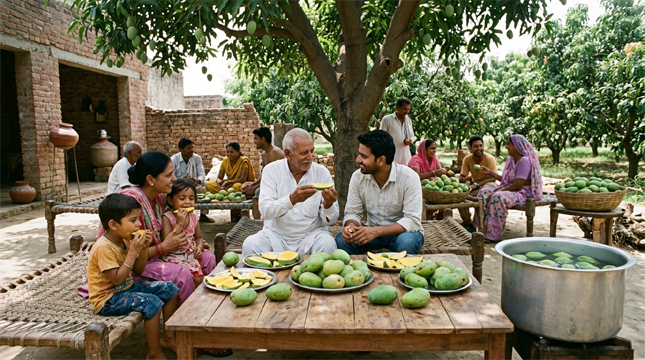
The rivalry between mangoes in India is a deeply cultural, regional, and emotional affair that unfolds across the Indian subcontinent every summer. Among the countless varieties that appear in markets, orchards, and conversations, two names stand tall and evoke passionate debate: the Langda and the Alphonso. Besides being highly prized summer fruits, these mangoes identities, memories, and symbols of regional pride. The Langda, with its sweet, bitter, lemony aroma and distinctive green skin, represents the heartland of North India, especially Eastern Uttar Pradesh, North Bengal and some parts of Bihar. The Alphonso, with its golden hue and balanced sweet-acidic flavor, is the pride of the Konkan coast in Maharashtra and beyond. Their rivalry is not simply about which tastes better, it is about heritage, terroir, perception, and even economics.
The Langda mango, believed to have originated in Varanasi, carries a mystique that goes beyond its unusual name. Legend has it that the mango tree was first cultivated by a lame farmer, hence the name “Langda,” meaning lame. But there is nothing handicapped about its appeal. Its fragrance is often described as intoxicating, fresh, citrusy, and unmistakably mango, yet layered with a hint of lemon that makes it stand apart from other varieties. The flesh is fibreless, dense, and juicy without being overly watery. Its sweetness is deep and lingering, not cloying, and it builds slowly on the palate, making each bite a revelation.
On the other hand, the Alphonso mango, often called the “king of mangoes by Mumbaikars and no one else”, has a global reputation that few fruits can rival. Cultivated primarily in Ratnagiri, Devgad, and other coastal regions of Maharashtra, Alphonso mangoes are known for their saffron-colored pulp, smooth texture, and a flavor profile that perfectly balances sweetness with a gentle tang. The aroma is rich and tropical, less sharp than the Langda but more rounded and dessert-like. Alphonso mangoes have also benefited from strong branding and export demand, making them one of the most recognized Indian mango varieties worldwide.
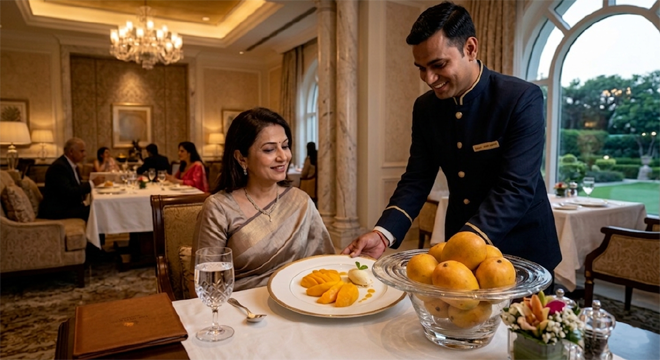
Alphonso mangoes (also known as Hapus) are chiefly grown in the Konkan region of Western India. Key areas of cultivation include: Maharashtra: Primarily the districts of Ratnagiri, Sindhudurg (including Devgad taluka), and Raigad. Gujarat: Particularly the Valsad and Navsari districts in South Gujarat. Karnataka: Some parts, often marketed as “Badami” mangoes. The Ratnagiri and Devgad districts in Maharashtra are considered the most premium sources, with the Ratnagiri Alphonso having a geographical indication (GI) tag.
Langda mangoes are chiefly grown in Uttar Pradesh and Bihar in India, with Varanasi (Banaras) often cited as the primary place of origin and cultivation. Key Regions: They are primarily produced in Northern India, with major concentrations in Varanasi, Ghazipur, Jaunpur, and the Awadh region of Uttar Pradesh. Bihar and West Bengal: They are also widely grown in Bihar (especially near Patna and Bhagalpur) and West Bengal. In some parts of West Bengal and Bihar, this variety is referred to as “Malda” or “Dudhiya Malda”. Langda lovers consider the malda a different species altogether and feel the Malihabadi langda is the best. Other Areas: They are also cultivated in parts of Jharkhand and in Bangladesh. Langda mangoes are known for their distinct green skin, which remains green even when ripe, and they are typically available during the summer months, peaking in July.
This rivalry, therefore, is not just about taste preferences; it reflects the diversity of India itself. North versus West, subtle complexity versus polished sweetness, tradition versus global appeal, these contrasts define the debate. For some, the Langda’s nuanced flavor is unmatched, while others swear by the Alphonso’s consistency and luxurious mouthfeel. The debate often becomes a matter of identity, with people passionately defending the mango of their region as the superior one.
DronePages feels that the superiority of each variety of mango is like religion and the regional prophet. We don’t find Jews originating in India and Jains listening to the sermon on the mount. So, mangoes are just about region. If you grew up in Mumbai you love the Alphonso although your friend from Delhi or Lucknow would not like it at all.
The sensory battle of aroma, texture, and taste
The Langda mango’s defining feature is its aroma. It carries a sharp, citrusy note that immediately distinguishes it from sweeter, more perfumed varieties. This lemony scent does not translate directly into sourness in taste; rather, it enhances the overall flavor by adding brightness. When you bite into a Langda mango, the initial impression is one of freshness. The sweetness follows, rich but not overwhelming, creating a layered experience that evolves with each bite. The pulp is firm yet tender, with almost no fiber, making it easy to slice or scoop.
In contrast, the Alphonso mango offers a more straightforward but equally delightful sensory experience. Its aroma is sweet, creamy, and tropical, often described as a blend of apricot, peach, and honey. The first bite delivers immediate sweetness, accompanied by a mild tang that prevents it from becoming overly sugary. The texture is exceptionally smooth, almost buttery, which is one of the reasons Alphonso mangoes are so popular for desserts like aamras, ice creams, and milkshakes. Visually, the Alphonso also has an advantage with its vibrant golden-orange color, which makes it highly appealing.
North Indians who decry the Alphonso have been found to refer to the Alphonso as the milk shake mango and not the real mango. Let us put that down to downright meanness and not manners.
Advocates of the Langda argue that its complexity makes it more interesting and less predictable. They claim that the Alphonso, while delicious, can sometimes feel one-dimensional due to its consistent sweetness. On the other hand, Alphonso enthusiasts counter that consistency is a virtue, not a flaw. They appreciate the reliability of flavor and texture, which ensures a satisfying experience every time. Langda lovers conclude that if you wish consistency, you may drink a carbonated bottled Maaza or a Mangola.
Another important factor is ripening behavior. Langda mangoes retain their green skin even when fully ripe, which can confuse those unfamiliar with the variety. Alphonso mangoes, by contrast, develop a bright yellow-orange color that signals ripeness clearly. This visual cue has contributed to Alphonso’s popularity, especially in markets where consumers rely on appearance to judge quality.
Ultimately, the sensory battle between these two mangoes is not about superiority but about preference. Some people prefer the refreshing complexity of Langda, while others gravitate toward the indulgent sweetness of Alphonso. Both offer unique experiences that cater to different palates. They are not comparable. While the Langda’s primary market is rustic; the Alphonso excels in premium marketing and exports.
Cultural roots and regional pride
The rivalry between Langda and Alphonso mangoes is deeply rooted in the cultural landscapes of their respective regions. These mangoes are agricultural products; symbols of identity and tradition, woven into the social fabric of the communities that cultivate and consume them.
In North India, the Langda mango is a seasonal fruit and a cultural event. Summers in Uttar Pradesh and Bihar are synonymous with mango feasts, where families gather to enjoy freshly harvested fruits. The Langda holds a special place in these gatherings, often regarded as a symbol of authenticity and heritage. It is not uncommon for people to boast about the quality of Langda mangoes from their local orchards, comparing notes on flavor, aroma, and size. The mango becomes a topic of conversation, a point of pride, and even a measure of hospitality.
Meanwhile, in Maharashtra’s Konkan region, the Alphonso mango is celebrated with equal fervor. The arrival of the Alphonso season is marked by festivals, special markets, and a surge in culinary creativity. Mango-based dishes like aamras-puri become staples, and the fruit is often gifted to friends and relatives as a token of affection. The Alphonso’s reputation extends beyond India, making it a source of pride for exporters and farmers alike. Its global recognition has elevated it to a status that few other mango varieties enjoy.
This cultural dimension adds an emotional layer to the rivalry. For many people, choosing between Langda and Alphonso is not just about taste, it is about belonging. A person from Varanasi may defend the Langda with the same passion as someone from Ratnagiri champions the Alphonso. These preferences are often passed down through generations, becoming part of family traditions.
The role of storytelling also cannot be overlooked. Each mango variety comes with its own set of legends, anecdotes, and historical references. These stories enhance their appeal and reinforce their cultural significance. The Langda’s origin story, tied to a humble farmer, adds a sense of rustic charm, while the Alphonso’s association with Portuguese cultivation techniques lends it an air of sophistication.
In this sense, the rivalry between Langda and Alphonso mangoes is a reflection of India’s diversity. It highlights how regional identities can shape perceptions and preferences, turning something as simple as a fruit into a symbol of cultural pride.
Economics, branding, and global reach
Beyond taste and culture, the rivalry between Langda and Alphonso mangoes also plays out in the realm of economics and branding. The two varieties occupy different positions in the market, influenced by factors such as production scale, export demand, and consumer perception.
The Alphonso mango has a significant advantage when it comes to branding. Often marketed as the “king of mangoes,” it has established a strong presence in both domestic and international markets. Its consistent quality, attractive appearance, and suitability for processing have made it a favorite among exporters. Countries in the Middle East, Europe, and North America eagerly await the Alphonso season, and the fruit often commands premium prices. This global demand has encouraged farmers to adopt practices that ensure uniformity and quality, further strengthening the Alphonso’s reputation.
The Langda mango, in contrast, remains largely a domestic favorite. While it is highly valued in North India, it has not achieved the same level of international recognition as the Alphonso. This is partly due to its appearance, its green skin can be misleading to consumers unfamiliar with the variety, and partly due to logistical challenges in maintaining its quality during long-distance transport. As a result, Langda mangoes are often consumed closer to their place of origin, preserving their freshness and flavor.
However, this does not mean that the Langda lacks economic significance. In fact, it plays a crucial role in local markets, supporting thousands of farmers and traders. Its popularity ensures steady demand, and its unique flavor profile makes it a staple in regional cuisine. There is also growing interest in promoting indigenous mango varieties like Langda, as consumers become more aware of the importance of preserving agricultural diversity.
The difference in market positioning has also influenced consumer perception. The Alphonso is often seen as a luxury product, associated with premium quality and exclusivity. The Langda, on the other hand, is viewed as a more authentic, down-to-earth option, cherished for its flavor rather than its status.
This economic dimension adds another layer to the rivalry. It raises questions about the role of branding in shaping preferences and highlights the challenges faced by lesser-known varieties in gaining recognition. While the Alphonso continues to dominate the global stage, the Langda remains a beloved classic, holding its own in the hearts of those who appreciate its unique qualities.
The enduring debate and the joy of diversity
As the mango season returns each year, so does the debate between Langda and Alphonso enthusiasts. It is a rivalry that shows no signs of fading, fueled by personal preferences, regional loyalties, and the sheer diversity of flavors that mangoes offer. Yet, perhaps the true beauty of this rivalry lies in the fact that it does not demand a definitive winner.
The Langda mango, with its sweet yet citrusy complexity, appeals to those who seek depth and nuance. It is a fruit that invites exploration, rewarding those who take the time to appreciate its layered flavor. The Alphonso, with its rich sweetness and smooth texture, offers immediate gratification, making it a favorite for indulgence and celebration. Each mango has its own strengths, and each caters to a different kind of palate.
Rather than viewing this rivalry as a competition, it can be seen as a celebration of diversity. The existence of multiple mango varieties enriches the culinary landscape, offering endless possibilities for enjoyment. It allows people to discover new flavors, experiment with recipes, and develop their own preferences. In a country as diverse as India, this variety is not just a luxury, it is a reflection of the nation’s identity.
The debate also serves as a reminder of the importance of preserving traditional agricultural practices. As globalization and commercialization continue to shape the food industry, there is a risk that lesser-known variety may be overshadowed by more marketable ones. By appreciating and supporting mangoes like the Langda, consumers can contribute to the preservation of this rich heritage.
In the end, the rivalry between Langda and Alphonso mangoes is less about choosing one over the other and more about celebrating what each brings to the table. It is a testament to the power of food to evoke emotion, spark conversation, and connect people to their roots. Whether one prefers the refreshing complexity of the Langda or the indulgent sweetness of the Alphonso, there is no denying that both are extraordinary in their own right.
In the world of mangoes, there is no, one king.