Which way are the drone laws going? Difficult to say as drone technology and usage are leap frogging every day at a high CAGR on culture, knowledge and awareness
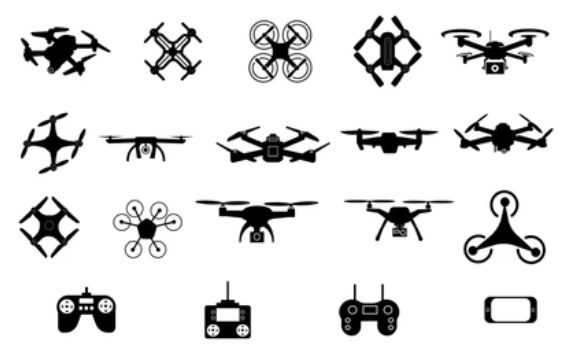
Every part of the world works with certain policies for drone usage, flying and certification. Here are some details about Europe, United States and India.
EUROPE
European Union drone policy is governed by regulations focused on safety and risk assessment, with a framework that includes both EU-wide rules and national legislation. Key aspects involve drone registration, pilot certification, operational categories (Open, Specific, Certified), and geographical restrictions.
Key Regulations and Concepts:
EU Regulations (2019/947 and 2019/945):
These regulations form the foundation for drone operations in Europe, outlining rules for different operational categories.
Operational Categories:
Open: Lower risk operations, with limitations on drone weight, altitude, and distance from people.
Specific: Operations requiring authorization from the National Aviation Authority, often involving more complex or higher-risk scenarios.
Certified: Operations involving the highest risk, such as those with passengers or cargo.
Registration and Certification:
Drone operators must register with their National Aviation Authority, and pilots need to obtain a remote pilot competency certificate.
Geo-awareness:
Member States must provide information on geographical zones for drone operations in a digital format.
National Regulations:
Individual countries can have their own specific rules regarding drone use, such as restrictions on night flights or specific no-fly zones.
Requirements for Pilots and Operators:
Registration: Drone operators must register with their National Aviation Authority.
Pilot Competency: Pilots need to complete online training and pass an exam to obtain a remote pilot competency certificate.
Minimum Age: The minimum age for drone pilots in the open category is generally 16, but some countries may have lower minimum ages.
Maximum Altitude: Drones are generally limited to a maximum altitude of 120 meters.
Line of Sight: Drones must be flown within the pilot’s direct visual line of sight.
UNITED STATES OF AMERICA
In the USA, drone operations are primarily governed by the Federal Aviation Administration (FAA) under 14 CFR Part 107 for commercial and other non-recreational flights. Recreational flyers also need to adhere to FAA regulations, including the TRUST test and other guidelines. Drones must be registered with the FAA if they weigh more than 0.55 pounds (250 grams).
U.S. drone regulations – Operations Over People explained …
Here’s a more detailed breakdown:
- FAA Regulations:
Part 107:
This rule regulates most non-recreational drone operations, including commercial flights.
Recreational Flying:
While recreational flyers are exempt from some requirements, they must pass the TRUST (The Recreational UAS Safety Test) and carry proof of passage, and follow FAA guidelines.
Registration:
Drones weighing more than 0.55 lbs (250 grams) must be registered with the FAA, and registration is valid for three years.
Remote ID:
All drones operating in the US, including foreign drones, must comply with Remote ID requirements.
Altitude and Airspace:
Drones generally must stay below 400 feet, and operators need authorization to fly in controlled airspace around airports.
No-Fly Zones:
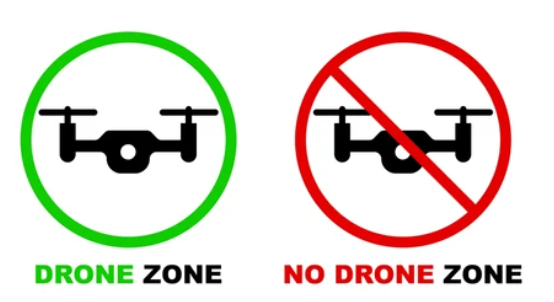
Flying is prohibited over certain sensitive areas, like national security facilities, military bases, and national landmarks, and within Temporary Flight Restrictions (TFRs).
Other Restrictions:
Flying over people or moving vehicles may be permitted under specific conditions. - Local and State Regulations:
Local Ordinances:
Cities and municipalities may have their own drone laws, so it’s important to check local regulations before flying.
National Parks:
Flying drones in national parks is often restricted or prohibited, so it’s crucial to check park-specific rules before flying. - Traveling with Drones:
TSA:
The Transportation Security Administration (TSA) allows drones on planes, but they must be carried on, not checked, and certain battery restrictions may apply.
Airline Policies:
Individual airlines may have their own specific rules about traveling with drones and batteries, so it’s essential to check with the airline. - General Safety and Responsibility:
Visual Line of Sight:
Drone pilots must maintain visual line of sight with their drone while flying.
Avoiding Hazards:
Drones should be kept away from populated areas, noise-sensitive locations (like campgrounds), and emergency response efforts.
Privacy:
Drone operators must respect privacy laws and avoid flying over private property without permission.
INDIA
In India, drone operations are governed by the Drone Rules, 2021, and require registration, pilot certification (for some), and adherence to specific airspace regulations. Key aspects include registration on the Digital Sky platform, potential need for a Remote Pilot Certificate, and restrictions on flying in certain areas like near airports or government buildings.
Key Aspects of Drone Policy in India:
Registration:
All drones, except those in the Nano category (under 250g), must be registered on the Digital Sky platform and assigned a Unique Identification Number (UIN).
Pilot Certification:
A Remote Pilot Certificate (RPC) is generally required for operating drones, though the need for a license has been abolished for non-commercial flights of drones weighing up to 2kg and for all drones under 250 grams.
Airspace Restrictions:
Drones cannot be flown in “No Fly Zones,” which include areas near airports, military installations, and government buildings.
No Permission, No Takeoff (NPNT):
A system is in place where drone pilots must obtain permission for each flight through a mobile app, and drones may be prevented from taking off without authorization.
Drone Insurance:
Drone insurance is mandatory for commercial drone operations in India.
Daylight Operations:
Drone operations are generally restricted to daylight hours unless specific permission for night flying is obtained.
Commercial Operations:
Commercial drone operations require a Commercial Drone Pilot license and registration, and operators are exempt from Remote ID requirements.
Digital Sky Platform:
The Digital Sky platform is the central hub for drone registration, flight permissions, and other regulatory requirements.
Amendments:
The Drone Rules, 2021, have been amended, including the Drone (Amendment) Rules, 2022, which made changes to pilot licensing requirements and other aspects of drone operations.
No-Fly Zones:
Specific areas like airports and military installations are designated as “No Fly Zones” and drone operations are prohibited in these areas.
Maximum Altitude:
Drones are typically restricted to a maximum altitude of 400 feet.
Privacy:
Drone operators must respect the privacy rights of others when flying.