
Israeli leaders have consistently argued that Iran’s nuclear ambitions, missile arsenal, and regional proxy network pose an existential challenge to Israeli security. Consequently, any agreement between Washington and Tehran inevitably raises questions about Israel’s interests, concerns, and willingness to support or undermine the process
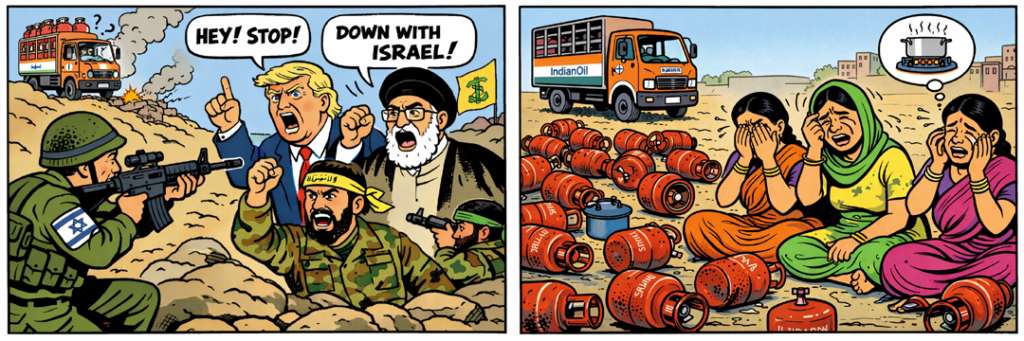
The proposed peace deal framework seeks to pause hostilities and create conditions for broader negotiations. However, many of the most contentious issues have deliberately been deferred into a sixty-day negotiation window. Such postponements are common in international diplomacy when parties wish to secure immediate de-escalation while avoiding politically explosive questions. Nevertheless, deferred disputes often return with greater intensity because they involve fundamental strategic interests that neither side is willing to compromise on easily.
The United States and Iran have spent decades locked in confrontation. Since the Iranian Revolution of 1979, relations have been characterized by mutual distrust, sanctions, military threats, intelligence operations, and competing visions for the future of the Middle East. Washington has sought to limit Iranian influence, prevent Tehran from acquiring nuclear weapons capabilities, and protect its regional allies. Iran, meanwhile, has sought recognition as a major regional power while resisting what it views as American interference and attempts at containment.
Over time, the conflict evolved beyond direct bilateral disputes. It expanded into a complex regional struggle involving Iraq, Syria, Lebanon, Yemen, the Persian Gulf, and the wider Arab world. Iranian support for various non-state actors became a central feature of its strategic doctrine. These groups provided Tehran with influence beyond its borders while offering deterrence against stronger conventional military powers. The United States and its allies viewed these networks as destabilizing forces that prolonged conflicts and undermined regional stability.
The latest framework reflects recognition on both sides that perpetual confrontation carries immense costs. Iran faces economic challenges resulting from sanctions, financial isolation, and limitations on international trade. The United States faces growing concerns that another major Middle Eastern war would consume resources, disrupt global energy markets, and create new security crises. Both sides therefore have incentives to pursue a diplomatic solution.
Yet diplomacy in the Middle East rarely occurs in isolation. Every bilateral agreement inevitably intersects with broader regional rivalries. The most significant of these involves Israel, which views Iran as its principal strategic threat. Israeli leaders have consistently argued that Iran’s nuclear ambitions, missile arsenal, and regional proxy network pose an existential challenge to Israeli security. Consequently, any agreement between Washington and Tehran inevitably raises questions about Israel’s interests, concerns, and willingness to support or undermine the process.
This reality explains why many analysts increasingly view Israel’s position as the most significant hurdle to transforming a temporary understanding into a durable peace arrangement. While the United States and Iran may find common ground on specific issues, the broader regional environment remains deeply influenced by Israeli-Iranian hostility, ongoing military operations, and competing security calculations that extend far beyond the negotiating table.
The unresolved nuclear question remains at the heart of negotiations
Among all the issues facing negotiators, none is more important than the future of Iran’s nuclear program. The nuclear dispute has shaped U.S.-Iran relations for more than two decades and remains the central issue around which most other disagreements revolve. Both sides recognize that no comprehensive agreement can survive without addressing concerns about uranium enrichment, stockpiles of enriched material, inspection regimes, and long-term monitoring mechanisms.
Iran maintains that its nuclear program is intended for peaceful purposes, including energy generation, scientific research, and medical applications. Tehran argues that as a sovereign nation and a signatory to international treaties governing nuclear technology, it possesses the right to pursue civilian nuclear activities. Iranian leaders frequently emphasize that technological development and scientific advancement are matters of national pride and independence.
The United States and many of its allies, however, remain concerned that advanced enrichment capabilities could eventually provide Iran with a pathway toward nuclear weapons production. Even if Iran does not currently seek such weapons, critics argue that maintaining high-level enrichment infrastructure creates a latent capability that could be activated rapidly during a future crisis.
The dispute is particularly complicated because it involves both technical and political dimensions. Technical experts may be able to design monitoring systems, enrichment limits, and verification procedures. Political leaders, however, must convince domestic audiences that any compromise adequately protects national security interests. This challenge becomes especially difficult in countries where distrust has accumulated over decades.
A central question concerns Iran’s existing stockpile of enriched uranium. Negotiators must determine whether these materials should be exported, diluted, converted into other forms, or retained under strict monitoring arrangements. Each option carries strategic implications and political risks. Iran may view surrendering significant portions of its stockpile as a loss of sovereignty, while the United States may view retention as an unacceptable security risk.
Long-term enrichment limits present another challenge. Temporary restrictions may reduce immediate tensions, but they do not necessarily resolve future concerns. Negotiators must therefore decide how long any limitations should remain in effect and what mechanisms will govern future technological development.
The nuclear issue also intersects with broader questions of trust. Verification systems can reduce uncertainty, but they cannot eliminate suspicion entirely. Successful implementation requires ongoing cooperation, transparency, and communication between governments that have historically viewed each other as adversaries.
Adding further complexity is the possibility of military action if negotiations fail. American warnings that force could be reconsidered in the absence of a final nuclear resolution create pressure on negotiators but also risk hardening positions. Iranian leaders may perceive such warnings as coercive tactics rather than incentives for compromise.
The nuclear dispute thus represents far more than a technical arms control problem. It symbolizes deeper questions regarding sovereignty, security, regional influence, and international legitimacy. As long as these broader issues remain unresolved, achieving a durable agreement will remain extraordinarily difficult.
Sanctions, frozen assets and competing economic expectations
Economic considerations constitute another major obstacle to a lasting peace settlement. Iran has long argued that sanctions imposed by the United States and its partners have inflicted severe damage on its economy, limiting growth, reducing foreign investment, restricting financial transactions, and constraining access to international markets. From Tehran’s perspective, meaningful sanctions relief is essential for any agreement to deliver tangible benefits.
Iranian negotiators have emphasized the importance of gaining access to billions of dollars in frozen assets held abroad. These funds are viewed as resources that rightfully belong to Iran and could help stabilize economic conditions, support development projects, and strengthen government finances. Tehran has argued that progress on economic issues should precede or accompany nuclear concessions.
The United States has taken a different view. American policymakers generally prefer linking sanctions relief to verified compliance with specific obligations. This approach reflects concerns that providing major economic benefits before implementation of agreed measures could reduce leverage and weaken incentives for future cooperation.
The disagreement highlights a fundamental challenge in diplomacy. Each side seeks guarantees before making concessions. Iran wants economic relief before undertaking major commitments. The United States wants commitments before providing economic relief. Bridging this gap requires carefully structured sequencing mechanisms capable of satisfying both parties.
Economic issues also have important domestic political implications. Iranian leaders must demonstrate that negotiations produce tangible improvements in living standards. Without visible economic gains, public support for diplomatic engagement could weaken significantly. Similarly, American leaders must justify any sanctions relief by demonstrating measurable progress on security objectives.
The scope of sanctions relief remains another unresolved question. Even if both sides agree on principle, they must still determine which restrictions will be lifted, suspended, modified, or retained. Different sanctions target different sectors, including energy exports, banking transactions, shipping operations, and industrial activities. Each category carries distinct economic consequences and political sensitivities.
International businesses and financial institutions also play a role. Companies considering investments in Iran require confidence that agreements will remain stable and enforceable over time. Frequent policy reversals or uncertainty regarding future sanctions can discourage economic engagement even when formal restrictions are eased.
Furthermore, economic negotiations increasingly overlap with broader geopolitical competition. Other major powers maintain interests in Iranian markets, energy resources, and transportation corridors. Consequently, decisions regarding sanctions and financial access affect not only bilateral relations but also wider patterns of international economic cooperation.
The economic dimension of negotiations therefore extends beyond simple questions of money. It concerns trust, leverage, domestic legitimacy, international investment, and long-term regional development. Without credible arrangements addressing these concerns, even successful security agreements may struggle to achieve lasting stability.
Regional proxies, Lebanon and Israel’s strategic calculations
The Middle East has once again arrived at a critical crossroads. After years of escalating tensions, covert operations, economic sanctions, proxy warfare, missile exchanges, and diplomatic deadlock, the emergence of a tentative fourteen-point framework between the United States and Iran has generated cautious optimism among diplomats and observers around the world. The framework represents one of the most significant diplomatic openings in recent years, potentially offering a pathway toward reducing tensions that have repeatedly threatened to engulf the entire region in a devastating conflict. Yet despite the optimism surrounding the agreement, the road to a permanent settlement remains fraught with obstacles. The most significant challenge lies not only in the longstanding disputes between Washington and Tehran but also in the broader regional security architecture, particularly the unresolved role of Israel and the continuing conflict dynamics involving Lebanon and various Iranian-aligned groups across the Middle East.
Perhaps the most politically sensitive challenge involves Iran’s network of regional partners and the continuing confrontation between Israel and groups aligned with Tehran. For decades, Iran has cultivated relationships with organizations across the Middle East, creating what many observers describe as a network of strategic influence extending from the Persian Gulf to the Mediterranean.
Iran views these relationships as defensive assets that help deter external aggression and project influence across the region. Critics, however, argue that these networks contribute to instability, prolong conflicts, and complicate diplomatic efforts. The disagreement reflects fundamentally different interpretations of regional security.
The proposed framework reportedly attempts to address aspects of this issue, but progress remains limited. Iran has historically resisted negotiations that directly target its regional partnerships, viewing them as sovereign foreign policy choices rather than subjects for external bargaining. This position creates difficulties for negotiators seeking broader security arrangements.
The situation becomes even more complicated when Israel enters the equation. Israel is not formally a party to the U.S.-Iran memorandum. Nevertheless, Israeli actions and decisions exert enormous influence over the prospects for success. Israeli leaders have consistently argued that Iran’s regional activities cannot be separated from discussions regarding nuclear capabilities and overall security.
Current tensions involving Lebanon illustrate this challenge. Israel has reportedly refused to withdraw from territories it has seized, while Iran has linked broader progress to the cessation of Israeli operations in Lebanon. This creates a diplomatic deadlock because neither issue falls neatly within the bilateral U.S.-Iran framework, yet both significantly affect its viability.
From Israel’s perspective, military operations are often justified as necessary responses to security threats emanating from hostile groups operating near its borders. Israeli policymakers argue that withdrawing prematurely or reducing military pressure could create opportunities for adversaries to regroup and strengthen their capabilities.
Iran, meanwhile, interprets many Israeli actions as evidence that regional security concerns cannot be addressed solely through bilateral negotiations with Washington. Tehran argues that broader regional issues must be considered if sustainable peace is to be achieved.
The resulting dynamic places the United States in a difficult position. Washington seeks improved relations with Iran while maintaining strong security commitments to Israel. Balancing these objectives requires careful diplomacy because progress with one partner may generate concerns for the other.
Regional actors beyond Israel and Iran also influence the process. Arab states monitor developments closely, assessing how agreements might affect regional power balances, economic opportunities, and security arrangements. Their reactions could either reinforce or undermine diplomatic progress.
Ultimately, the proxy issue highlights a broader truth about Middle Eastern politics: conflicts are rarely isolated. Local disputes often connect to larger regional rivalries, making comprehensive solutions extraordinarily difficult to achieve. Any lasting agreement will therefore require not only bilateral compromises but also broader efforts to reduce tensions across multiple theaters simultaneously.
Military realities and the limits of decisive victory
Much of the current diplomatic momentum stems from recognition that military solutions offer limited prospects for achieving decisive outcomes. Despite periodic discussions of military options, the strategic realities facing both Israel and Iran suggest that neither side can easily secure an unequivocal victory.
Israel unquestionably possesses significant military advantages. Its armed forces benefit from advanced technology, sophisticated intelligence capabilities, highly trained personnel, and extensive operational experience. Israeli air power, in particular, provides the ability to conduct long-range precision strikes against critical targets. Advanced aircraft, electronic warfare systems, and intelligence networks give Israel substantial advantages in conventional military engagements.
Previous operations have demonstrated Israel’s capacity to penetrate defended airspace, disrupt military infrastructure, and target strategic facilities. Such capabilities enable Israel to impose significant costs on adversaries while maintaining relatively low levels of exposure for its own forces.
Nevertheless, military superiority does not automatically translate into strategic success. Iran presents unique challenges that limit the effectiveness of conventional military campaigns. One of the most significant factors is geography. The considerable distance separating the two countries complicates logistics, operational planning, and sustained military operations.
Unlike conflicts involving neighboring states, a direct land invasion is essentially impossible. There is no shared border through which conventional ground forces could advance. Consequently, any conflict remains largely confined to air operations, missile exchanges, cyber activities, intelligence operations, and proxy engagements.
Iran’s infrastructure further complicates military planning. Many strategic facilities are deeply buried, hardened, or dispersed across vast territories. Facilities associated with sensitive programs have often been designed specifically to withstand potential attacks. As a result, even successful strikes may only delay rather than eliminate critical capabilities.
The nuclear issue illustrates this dilemma. While Israeli military operations could potentially damage aspects of Iran’s nuclear infrastructure, permanently eliminating deeply fortified facilities may require specialized capabilities associated with large-scale American participation. This reality limits the prospects for unilateral military solutions.
Iran also possesses substantial deterrent capabilities. Its extensive missile arsenal enables retaliation against military installations, infrastructure, and strategic assets. Although Israeli missile defense systems provide significant protection, no defensive architecture guarantees complete interception during prolonged conflicts involving large numbers of projectiles.
Beyond missiles, Iran retains influence through regional networks capable of exerting pressure across multiple fronts. These relationships create strategic depth and complicate adversaries’ calculations. Any direct confrontation risks expanding into a wider regional conflict involving multiple actors and theaters.
The economic consequences of prolonged warfare would also be severe. Energy markets could experience major disruptions, transportation routes could face interruptions, and investment confidence could decline sharply. Such outcomes would affect not only the immediate participants but also the global economy.
These realities explain why many military analysts conclude that neither Israel nor Iran can achieve a total and decisive victory independently. Each side possesses sufficient capabilities to inflict substantial damage, yet neither can easily impose its preferred political outcome through force alone. This mutual vulnerability creates incentives for diplomacy, even when political differences remain profound.
Why Israel remains the central challenge to a broader U.S.-Iran settlement
As diplomats prepare for potential signing ceremonies and continue negotiations, one conclusion increasingly emerges from the complex web of issues confronting the region. The greatest challenge to transforming a temporary framework into a lasting peace agreement may not be the technical details of nuclear inspections or the sequencing of sanctions relief. Instead, it may be the unresolved triangular relationship linking the United States, Iran, and Israel.
Israel’s concerns are rooted in genuine security considerations. Iranian missile capabilities, regional partnerships, and nuclear ambitions have long been viewed by Israeli leaders as existential threats. Consequently, Israeli policymakers are unlikely to support agreements they believe leave these concerns inadequately addressed.
Iran, meanwhile, views Israeli military operations and regional influence as central components of the broader security environment. Tehran has signaled that progress on bilateral issues cannot be completely separated from developments involving Lebanon and other regional flashpoints.
The United States occupies the difficult middle ground. Washington seeks to prevent nuclear proliferation, reduce regional tensions, protect allies, and avoid another costly conflict. Achieving all of these objectives simultaneously requires extraordinary diplomatic skill and political flexibility.
The sixty-day negotiation window will therefore test whether the parties can move beyond temporary de-escalation toward genuine conflict resolution. Success will require compromises on nuclear issues, economic arrangements, regional security concerns, and mechanisms for managing future disputes. Failure could return the region to a familiar cycle of confrontation, sanctions, military threats, and periodic violence.
The military balance itself reinforces the urgency of diplomacy. Neither Israel nor Iran can confidently expect a decisive victory. Both possess the means to inflict immense suffering and economic damage, yet neither can easily impose a durable political settlement through force. This strategic stalemate creates an opportunity for negotiation but does not guarantee success.
Ultimately, the future of the Middle East may depend on whether leaders can recognize the limitations of coercion and embrace the possibilities of compromise. The tentative framework between the United States and Iran represents an important beginning, but it remains only a beginning. The unresolved questions surrounding nuclear activities, sanctions, proxy networks, maritime disputes, and particularly Israel’s role in the regional security landscape will determine whether the current moment becomes a historic breakthrough or merely another missed opportunity in one of the world’s most enduring geopolitical conflicts.