
The installation of a sunroof mechanism slightly reduces the vertical space inside the cabin. For taller passengers, this can affect comfort, especially on long journeys. Adding a sunroof can significantly raise the price of a vehicle, making it less accessible for budget-conscious buyers. The sun roof makes the roof structurally weaker and liable for maintenance for rain channels
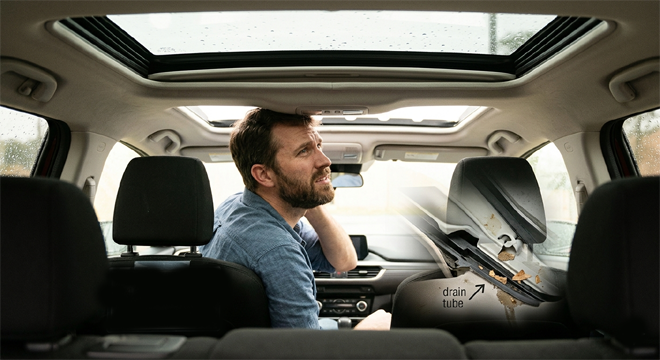
In recent years, the sunroof has evolved from a luxury add-on to a highly sought-after feature in modern cars. Buyers increasingly associate it with a premium driving experience, and automakers have responded by offering sunroofs even in mid-range models. The allure is easy to understand: a sunroof transforms the cabin atmosphere, making it feel brighter, more spacious, and closer to the outdoors.
Yet, like many automotive features, the sunroof represents a trade-off. While it enhances aesthetics and comfort in certain conditions, it also introduces practical challenges that may not suit every environment or driving style. Understanding both sides of this feature is essential before making a decision.
Aesthetic appeal and enhanced cabin experience
One of the strongest arguments in favor of a sunroof is the visual and emotional upgrade it provides. Natural light streaming into the cabin reduces the sense of confinement, especially during long drives. The interior feels more open and inviting, which can significantly improve passenger comfort.
For many drivers, this feature adds a subtle sense of luxury. The experience of driving under an open sky, particularly during scenic routes or evening drives, creates a near-convertible feel without the complexity of a fully open-top vehicle. This aesthetic advantage is often the primary reason buyers opt for a sunroof.
Improved ventilation and practical benefits
Beyond aesthetics, sunroofs also offer functional benefits. One of the most useful is improved ventilation. When a car is parked under the sun, heat builds up rapidly inside the cabin. Opening the sunroof slightly can help release trapped hot air much faster than relying solely on windows or air conditioning.
This feature can be particularly helpful during short stops, allowing for quick air circulation without fully exposing the cabin to dust or external elements. In moderate climates, this added ventilation can reduce reliance on air conditioning, contributing to a more comfortable and energy-efficient drive.
Impact on resale value and market perception
Sunroofs often enhance a vehicle’s appeal in the resale market. Buyers tend to perceive them as premium features, which can make a car more attractive compared to similar models without one. While the resale value may not increase proportionally to the initial cost, the presence of a sunroof can still provide a competitive edge when selling the vehicle.
This perception-driven value is particularly strong in urban markets, where lifestyle-oriented features often influence purchasing decisions as much as practicality.
The hidden costs of comfort and style
Despite their advantages, sunroofs come with notable drawbacks. The most immediate is the increase in cost. Adding a sunroof can significantly raise the price of a vehicle, making it less accessible for budget-conscious buyers.
Another important consideration is headroom. The installation of a sunroof mechanism slightly reduces the vertical space inside the cabin. For taller passengers, this can affect comfort, especially on long journeys.
Heat, noise, and climate challenges
In hot climates, the disadvantages of a sunroof become more pronounced. The additional glass surface allows more sunlight to enter the cabin, increasing interior temperatures. This can place extra load on the air conditioning system and reduce overall comfort during peak summer months.
Wind noise is another factor. At higher speeds, an open or tilted sunroof can generate noticeable noise, which may detract from the driving experience. In regions with dusty conditions, opening the sunroof may also allow dirt and debris to enter the cabin, limiting its practical usability.
Maintenance and reliability concerns
Sunroofs introduce mechanical complexity that standard roofs do not have. Over time, components such as motors, seals, and tracks can wear out, leading to potential failures.
One of the most common issues is water leakage, often caused by clogged drain channels. Regular maintenance, including cleaning these channels, is necessary to prevent such problems. While modern systems are generally reliable, they still require more attention compared to a conventional roof.
Structural considerations and safety aspects
The inclusion of a sunroof slightly alters the structural dynamics of a vehicle. By design, it reduces the rigidity of the roof to some extent, although manufacturers typically reinforce surrounding areas to maintain safety standards.
For most drivers, this reduction in rigidity is negligible in everyday use. However, it remains a technical compromise that comes with the feature. Combined with reduced headroom, it highlights how a sunroof is not purely an upgrade but a balance of trade-offs.
When a sunroof makes sense
A sunroof is best suited for drivers who value experience and aesthetics over pure practicality. It is particularly beneficial in regions with moderate climates, where excessive heat or dust is not a constant concern.
Those who enjoy long drives through scenic landscapes, or who appreciate a more open and airy cabin, are likely to find the feature worthwhile. For such users, the emotional and experiential benefits often outweigh the drawbacks.
When it may be better to skip it
On the other hand, drivers in very hot or dusty environments may find a sunroof less useful. The increased cabin heat, combined with limited opportunities to use the feature, can make it an unnecessary expense.
Buyers who prioritize low maintenance, maximum headroom, and cost efficiency may also prefer to avoid it. In such cases, the simplicity and practicality of a standard roof can be more aligned with everyday needs.
Balancing aspiration with practicality
The decision to choose a sunroof ultimately depends on individual priorities. It is a feature that enhances the driving experience in specific contexts but introduces compromises in others.
For some, it represents a touch of luxury and freedom that transforms every drive. For others, it is an avoidable addition that complicates ownership without delivering consistent value.
By carefully considering climate, usage patterns, and personal preferences, buyers can make an informed choice—one that balances aspiration with practicality and ensures long-term satisfaction with their vehicle.