
What if ancient civilizations had observed this kind of nature’s developments and tapped this energy free from all paraphernalia?
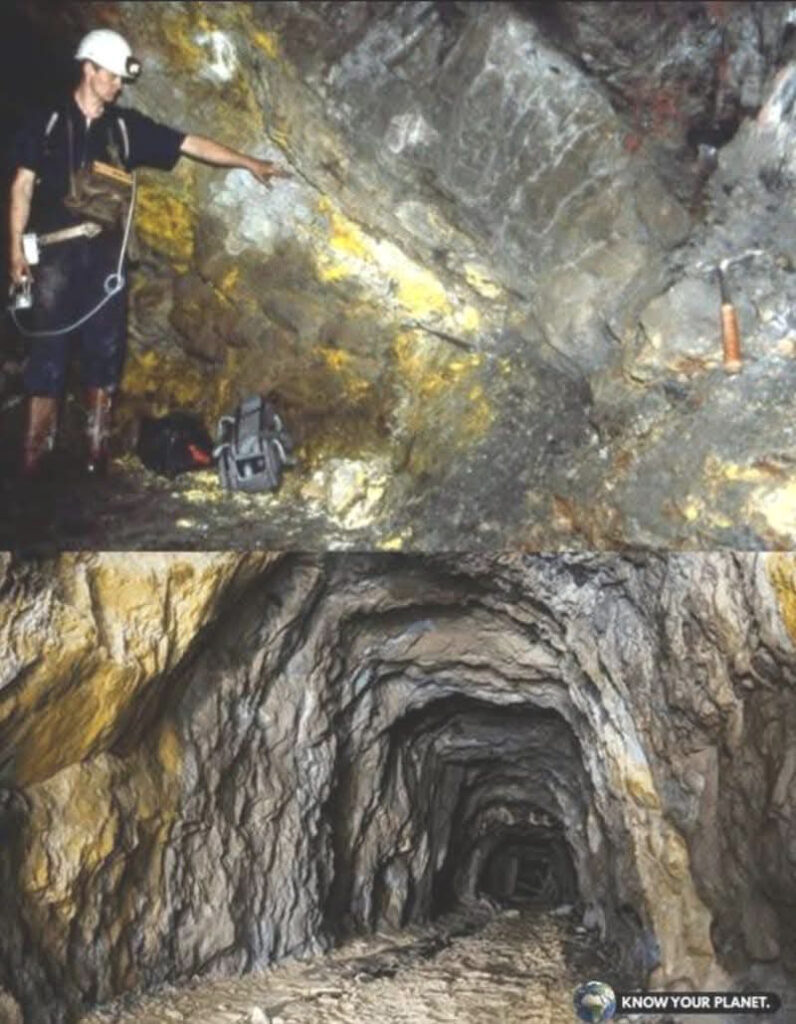
This discovery also proves that an ancient civilization could have tapped nuclear energy. Nuclear energy may not be wholly dependent on magnetic bottles, barium rods and critical mass. What if ancient civilizations had observed this kind of nature’s developments and tapped this energy free from all paraphernalia. In 1972, scientists analyzing uranium ore from a mine in Oklo, Gabon, made a discovery that shocked the world: uranium had already undergone nuclear fission. Not in a lab. Not in a bomb. But naturally—inside the Earth—1.7 billion years ago. What they discovered was a natural nuclear reactor, formed entirely by geological processes. About two billion years ago, the conditions in the region were perfectly suited: A rich concentration of uranium-235, groundwater that acted as a neutron moderator, and rocks that helped limit the chain reaction. The result? A self-sustaining nuclear reaction that operated intermittently for hundreds of thousands of years. Scientists estimate that it produced about 100 megawatts of energy—enough to power a small city today. This ancient reactor did not explode. It regulated itself. And it left behind nuclear waste – the same kind we see in modern reactors – locked in rock for billions of years. Why does it matter? The Oklo reactor proves that nuclear waste can remain stable over geological time – a powerful prospect for modern energy and waste disposal. It also shows that nature has beaten us to the punch in nuclear engineering by almost two billion years.