
Advertisements crafted in India no longer excite, invoke the imagination or even please so that the viewer recalls the advertised brand. Nowadays, an army of clerks occupy advertising agencies who service an equally unimaginative clientele
By Aditya Shastri
Managing Partner, 5th Dimension Strategist
There was a time — not too long ago — when Indian advertising made you smile, hum, and remember.
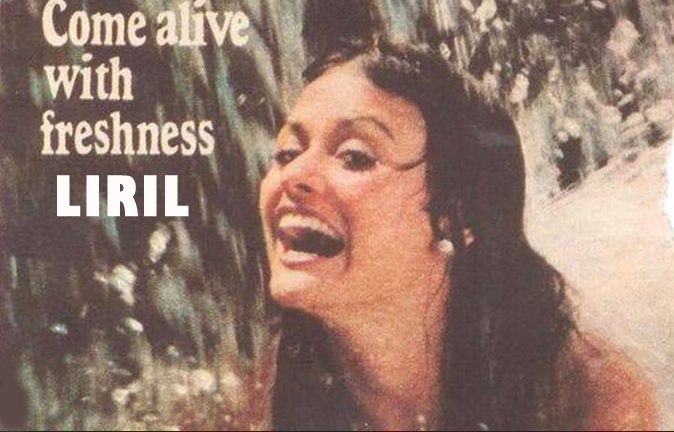
A time when a young girl in a green bikini danced under a waterfall for Liril, and suddenly every bathroom felt like a tropical rainforest. Green Liril soap, green bikini, green leaves in a refreshing waterfall. Hindustan Unilever Limited (HUL) wasn’t selling a lifetime of waterfall like refreshing water supply but a bar of soap which was successfully associated with that refreshing feeling of bathing under a waterfall maybe with Karen Lunel (the model) for company. Why not? Just leave it to the customer’s imagination.
When Hamara Bajaj made your chest swell with national pride. When Cadbury Dairy Milk’s “Kuch khaas hai” made you feel pure, spontaneous joy. When Fevicol told stories of unbreakable bonds without showing the product more than once. When Nirma and Surf weren’t just detergents, they were cultural events.
Advertising then had something we’ve collectively misplaced — creativity, courage, and curiosity.
When Cricket Met Creativity
Even when celebrities appeared, they were part of the story — not the story. Remember the Cadbury girl running onto the cricket field when a six was hit? That wasn’t just an ad; it was a cinematic celebration of everyday happiness. It had emotion, timing, and narrative charm.
Compare that with today’s formula:
“Product? Check. Actor? Check. Add cricketer if budget allows. Post behind-the-scenes selfie. Call it a campaign.” Ouff!!!!
The Beauty Exception
Of course, beauty and cosmetics have always been a different game. The idea of glamour, aspiration, and perfection is baked into their DNA. A film star or model made sense there after all, beauty sells beauty but what if the celebrity is not that good looking as a model is but just famous?
But the real decline began when that logic escaped its natural habitat and infected every other category like a creative virus.
The Day Jaguar Lost Its Roar
The turning point — or the creative breaking point came when Jaguar cars signed Kareena Kapoor as part of its luxury range campaign in India. Does Jaguar Land Rover need Kareena Kapoor to sell its brand? If it does, it’s a real shame.
Oh and incidentally Kareena Kapoor, Ranbir Kapoor, Saif Ali Khan and all top indian film stars all own Range Rovers. Did they buy because a fellow actor endorsed it? Think about that.
In no other country on Earth does a film star endorse BMW, Mercedes, or Jaguar. Luxury brands don’t need validation from actors — the brand is the celebrity. The car is the star.
But in India, we reversed that equation. Suddenly, the idea of owning a luxury car wasn’t about design, engineering, or aspiration it was about who’s leaning on it for the photoshoot.
That’s when Indian advertising quietly admitted:
“We’re not here to create desire. We’re here to borrow it.”
The Star-Struck Syndrome
From there, it snowballed. Today, it’s hard to find a single product, service, or pipe that doesn’t have a film star or cricketer grinning awkwardly next to it.
From street-corner pan masala to five-star hotels, from cooking masala to cement, insurance, cars, banks, apartments, toothpaste, toilet fixtures, furniture, hair dye, bathroom slippers — every product now apparently needs a famous face to prove it exists. Indian advertising quietly retired its imagination. The new creative brief seems to read: “Find a celebrity. Any celebrity.”
We’ve reached a point where the only thing that separates one ad from another is who’s collecting the cheque. It’s not about connecting with the consumer anymore. It’s about connecting with the celebrity and preferably tagging them on Instagram. Meanwhile, creativity has left the chat.
Let’s take a quick walk through the celebrity bazaar that Indian advertising has become:
Pan masala: Check.
Cooking masala: Check.
Hotels and bedsheets: Check.
Top-tier banking, insurance, cars, apartments: All check.
Toothpaste, toothbrush, furniture, jewellery, paan-bidis, hair dye, toilet fixtures, plumbing pipes, cement, steel rods, bathroom slippers — all proudly presented by your favorite movie star.
Every brand today seems to believe that creativity begins and ends with the question:
“Who can we get to hold this product and smile?”
This obsession doesn’t just reflect a loss of imagination. It reveals something deeper a collective star-struck complex among brand managers and agency executives.
Because let’s be honest — half the excitement of signing a celebrity is the personal selfie.
The proudly posted behind-the-scenes photo captioned:
“Great day shooting with [Insert Star Name] 😍✨ #Teamwork #Grateful #CampaignComingSoon”
It’s not about building a memorable campaign anymore.
It’s about building a memorable LinkedIn post.
Also not to forget, the statutory mention, of how “nice a human being the celebrity is”.
Guys they are smiling and acting, because they’re actors.
This “borrowed stardom” mindset is the same one that fuels the bizarre social phenomenon of hiring film stars to make paid appearances at weddings.
Families spend obscene amounts of money on airfare, entourage, and hospitality — all for that fleeting moment when a celebrity waves on stage, creating the illusion of shared glamour.
Yes, everyone will remember the celebrity who attended.
But will they remember the names of the bride and groom?
Advertising has fallen into the same trap mistaking proximity to fame for possession of creativity. And just like those weddings, the spectacle overshadows the substance.
Would You Ever See DiCaprio Selling Soap?
Would Leonardo DiCaprio endorse a personal hygiene brand?
Would Tom Cruise appear in an ad for detergent?
Would Daniel Craig sell bathroom slippers?
Does iPhone use celebrities to sell their iPhones?
But here in India the day isn’t far before the product gets a brand ambassador.
Why? Because Ranbir Kapoor endorses Poco or Vivo? Does anyone believe Ranbir uses that phone in real life?
Unlikely.
Yet in India, it’s a race to sign the next film star for banians, innerwear, and grocery home delivery apps.
The irony is almost poetic the same actor who drives a million-dollar car on screen now urges you to buy discounted atta and dal online. I mean do you really believe Shahrukh Khan drove a Santro?
It’s not even their fault. It’s ours the industry’s collective obsession with celebrity proximity and the gullible Indian viewer / customer.
The Economics of Ego
Let’s ask the obvious question:
What’s the point of paying a film star crores of rupees to endorse grocery delivery or toilet fixtures?
Does it make the product better?
Does it make the brand more trustworthy?
Does it justify the price hike that eventually gets passed to the consumer?
All it really does is inflate the actor’s market value while deflating the creative industry’s self-worth.
The result? The cost of creativity has become inversely proportional to the cost of celebrity.
Why pay a creative team ₹50 lakh to develop a concept when you can pay a celebrity ₹5 crore to smile?
From Mad Men to Mad Selfies
There was a time when copywriters, art directors, and filmmakers were the celebrities.
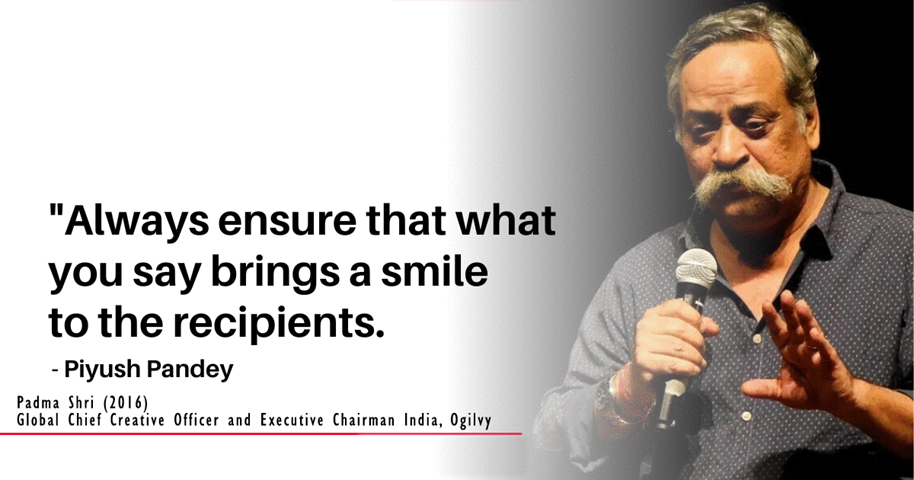
When names like Piyush Pandey, Prasoon Joshi, R. Balki, or Alyque Padamsee commanded respect not because they were famous, but because they were artists and their work was unforgettable.
Today, their modern counterparts are invisible, hidden behind the glow of the celebrity’s Instagram post.
We’ve gone from Mad Men to Mad Selfies.
Campaigns are no longer judged by ideas they’re judged by views, reach, and who was tagged in the post.
The Illusion of Safety
To be fair, one reason for this creative decline is fear and mediocrity.
Hiring a celebrity feels safe. It’s a shortcut to guaranteed visibility. Mediocre professionals adopt short cuts as they don’t know any better.
No one ever got fired for signing a movie star.
But safe choices rarely make great advertising.
Safe choices produce noise, not connection.
They generate views, not loyalty.
Advertising is supposed to differentiate.
Instead, we now have 500 identical ads each starring a different famous face, selling the same promise in the same tone, with the same dramatic background music.
The Death of Brand Personality
The tragedy is that brands no longer have personalities, only borrowed identities.
Ask anyone to describe a brand they loved from the ’90s Liril, Bajaj, Cadbury, Amul, Raymond. Each had a voice, a story, a soul.
Now, ask them to describe a modern brand.
Chances are, they’ll only remember the celebrity, not the product.
That’s not branding that’s parasitic marketing.
A Mirror to Our Obsessions
In some ways, this decline in creativity mirrors our cultural obsession with fame.
Every sector politics, business, entertainment now revolves around celebrity.
Advertising simply followed suit.
The creative industry once held a mirror to society.
Now, it holds up a phone camera at itself.
The Way Out
So, is there hope?
Yes if brands and agencies rediscover courage. If advertising agencies start hiring intelligent, creative people at all levels and not mediocre yes men and women.
If they start trusting ideas over influencers, stories over selfies, and consumers over celebrities.
The audience is not stupid. They can smell inauthenticity faster than you can say “limited edition.”
What works — always has and always will — is honesty, humor, and human connection.
That’s what made Fevicol, Amul, and Cadbury timeless.
Imagine what Indian advertising could do if all the crores spent on celebrity endorsements were redirected toward nurturing writers, filmmakers, and visual storytellers again.
We might actually go back to making ads people love — not skip.
Until then, brace yourself for the next campaign featuring a megastar earnestly selling:
Steel rods for “stronger relationships.”
Bathroom slippers for “softer landings in life.”
Insurance plans for “blockbuster protection.”
And cooking oil “as pure as love in the movies.”
Because nothing says creative bankruptcy quite like watching your favorite actor trying to sell plumbing pipes with a straight face.
In the end, Indian advertising doesn’t need another celebrity. It needs a spine.
Until that happens, creativity will continue to drown not in waterfalls like Liril’s, but in the flood of hashtags and selfies.

